
Choosing a vibrator made from body-safe materials is the most important step in protecting your intimate health. Many low-cost toys use porous or chemical-laden plastics that can harbor bacteria or cause irritation. This guide breaks down the seven safest materials to look for when buying a vibrator, helping you make an informed decision at Naughty Hut.
1. Medical-Grade Silicone
Medical-grade silicone is the gold standard for body-safe sex toys due to its non-porous and hypoallergenic nature. This material is completely inert, meaning it does not leach chemicals or absorb fluids. It is also easy to clean thoroughly, which is critical for preventing bacterial growth. Because it is non-porous, medical-grade silicone can be sterilized in boiling water, making it the safest option for long-term use. For additional details, review the BMS NZ Swan amp.
2. Borosilicate Glass
Borosilicate glass is a rigid, non-porous material that is completely safe for all body types and easy to sanitize. Unlike standard glass, borosilicate is designed to withstand thermal shock, allowing you to warm or cool it for unique sensations. It is chemically inert and does not react with lubricants, making it a durable and hygienic choice for those who prefer a firm texture. For additional details, review the Dame NZ Ergonomic Vibrators.
3. Stainless Steel
4. ABS Plastic
ABS plastic is a rigid, non-porous material that is safe for the body and often used in budget-friendly vibrators. While it lacks the softness of silicone, it is a hard plastic that does not absorb fluids or harbor bacteria. It is a safe alternative to jelly or rubber materials, which are often porous and can contain harmful phthalates. Look for toys labeled as "body-safe ABS" to ensure quality. For additional details, review the Bloom NZ Body Safe.
5. Aluminum
Anodized aluminum is a lightweight, non-porous metal that is safe for intimate use and easy to maintain. The anodizing process creates a hard, protective layer on the surface of the metal, preventing it from reacting with the body. It is a great option for those who want the benefits of a metal toy without the heavy weight of stainless steel. Ensure the aluminum is anodized to guarantee it is non-porous and safe.
6. Ceramic
7. Avoid Porous Materials
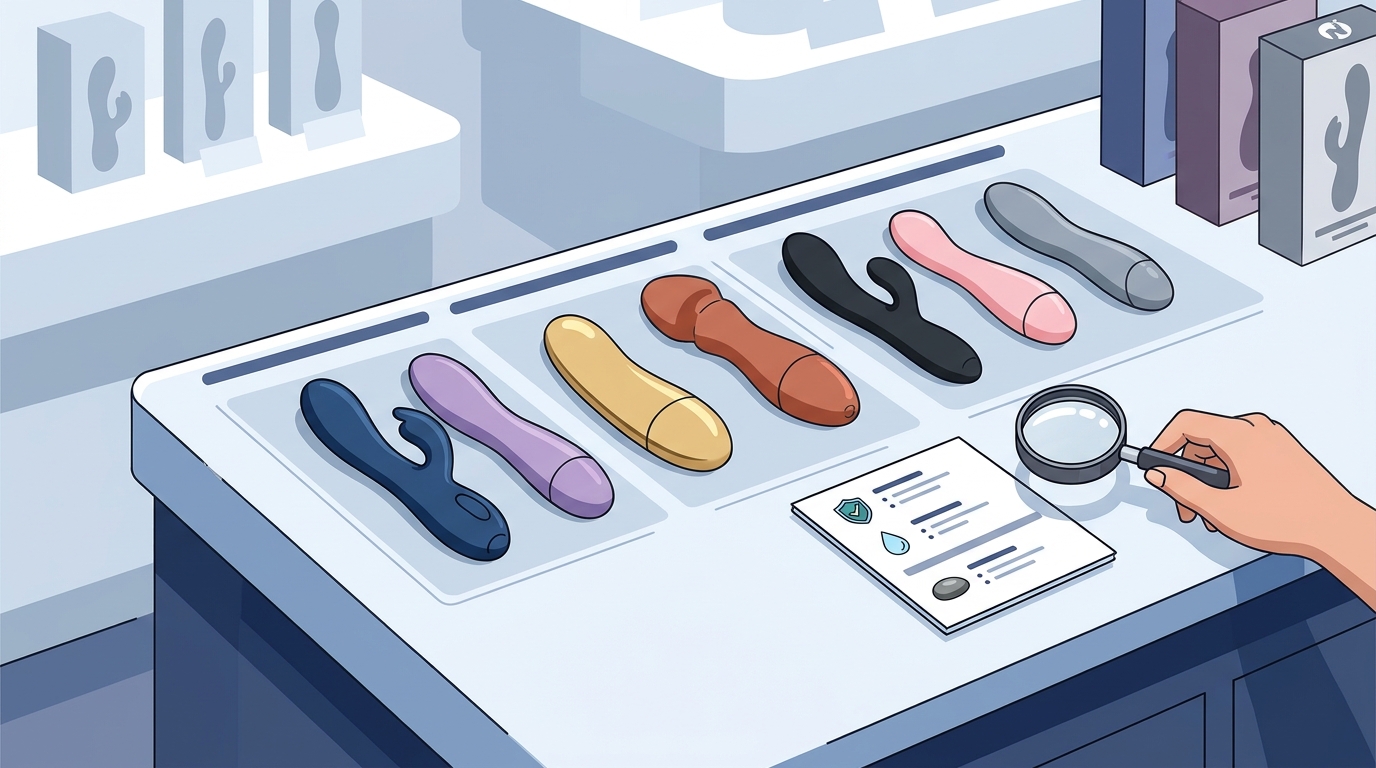
It is just as important to know which materials to avoid, such as jelly, rubber, and PVC, which are often porous and may contain phthalates. These materials can absorb bacteria and lubricants, making them difficult to clean completely. They may also contain chemicals that can cause irritation or allergic reactions. Always check the product description for "body-safe" or "non-porous" labels to avoid these risky materials.
Choosing the Right Material for You
When selecting a vibrator, consider your sensitivity and cleaning preferences. If you have sensitive skin, medical-grade silicone is often the best choice. If you prefer a firm texture, glass or stainless steel are excellent options. At Naughty Hut, you can find a wide range of body-safe vibrators from trusted brands. Always prioritize non-porous materials to ensure your health and safety.
Frequently Asked Questions
Is silicone the safest material for vibrators?
Yes, medical-grade silicone is widely considered the safest material for vibrators. It is non-porous, hypoallergenic, and easy to clean, making it ideal for most users.
Can I use silicone lubricant with silicone toys?
It is generally recommended to avoid silicone lubricants with silicone toys, as they can degrade the material over time. Water-based lubricants are the safest choice for silicone vibrators.
How do I know if a toy is body-safe?
Look for keywords like "body-safe," "non-porous," or "medical-grade" in the product description. Reputable retailers like Naughty Hut clearly label their products with material information.
Are glass and metal toys safe for beginners?
Yes, glass and metal toys are safe for beginners, but they are rigid and may feel intense. Start with a smaller size and use plenty of lubricant to ensure comfort.
How should I clean my vibrator?
Clean your vibrator with warm water and mild, fragrance-free soap after each use. For non-porous materials like silicone, glass, or metal, you can also boil them for sterilization.